1. Assess what happened
The team learns what caused the contamination and how far it spread. It notes porous items such as carpet and mattresses that often cannot be fully disinfected.
Copiague, NY · Suffolk County
Property managers and families in Copiague call (877) 812-4220 to make a contaminated space safe again. The work includes removing soaked materials, disinfecting touch points and treating the air and odor.
If anyone is in danger, call 911 first. For a suicide crisis, call or text 988.
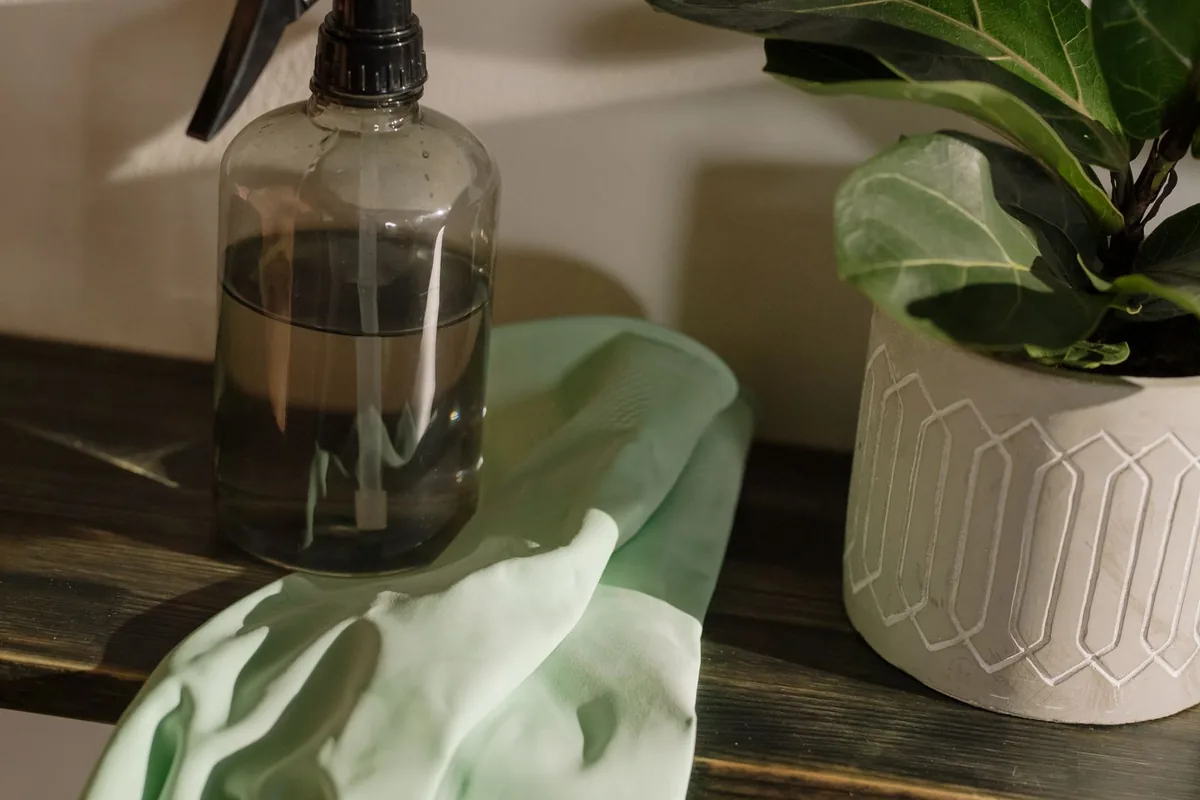
Biohazard decontamination is a controlled process with defined steps. The area is isolated, residue is cleaned off, a disinfectant stays wet for its labeled contact time and the finished surfaces are inspected.
Need biohazard remediation specialists in Copiague or Suffolk County? Get help from Copiague Biohazard Cleanup Help. Your crew uses EPA-registered disinfectants, removes items that germs have soaked into and keeps each job discreet.
About 12% of homes in Suffolk County are vacant, and empty properties can hide animal waste, sewage leaks and other contamination until someone enters. The nearest emergency room, Good Samaritan Hospital Medical Center in West Islip, is about 6 miles from Copiague. Anyone with symptoms after exposure should seek medical care first, then set up decontamination.
The work often covers:
The team learns what caused the contamination and how far it spread. It notes porous items such as carpet and mattresses that often cannot be fully disinfected.
Crew members put on protective gear for skin, eyes and lungs. The work area is closed off, and people and pets are kept out.
The team works from the cleanest areas toward the most contaminated. Surfaces are cleaned, rinsed and treated with a hospital-grade disinfectant.
A disinfectant matched to the germs stays wet for its labeled contact time. The team treats odor, inspects each surface and explains the result.
Biohazard decontamination in Copiague, NY typically costs $1,000 to $15,000, depending on the size of the affected area and the materials involved.
Odor treatment can add to the work. A recent spill may need only disinfection, while a long-standing smell may call for repeated treatments or removal of affected building materials.
| Type of job | Typical range |
|---|---|
| Biohazard cleanup, published span | $1,000 - $15,000 |
| Residential average range | $1,800 - $4,500 |
| Typical national range | $3,000 - $5,000 |
These ranges come from published cost guides (Fixr, Yelp Costs, Biohazard cleanup company pricing guide) and are not a quote for Copiague. Price drivers include type of contamination, size of the space, surfaces affected, waste disposal. For a real number, call (877) 812-4220.
Cleanup removes blood, bodily fluids and other material from a scene. Decontamination makes the cleaned surfaces and the space safe again through cleaning and disinfecting. Most jobs include both, and the crew can explain how it treats each.
In many cases the person who calls does not need to be at the property. Ask how access and keys can be arranged. If you are out of town, say so when you call.
It does when the source is removed. Smells from sewage, fluids or decay live in porous materials and subfloors, so crews take those out and treat the air. Air fresheners cover a smell for only a short time.
Biohazard decontamination is the process of cleaning and disinfecting a space after blood, bodily fluids, sewage or similar material. Crews wear protective gear, remove items that cannot be saved and apply a disinfectant matched to the germs involved. The goal is a space safe to use again.
A good team inspects every treated surface, treats leftover odors and explains what it did. Some teams add swab tests. Ask what the final check includes and ask for a record of the work. Testing rules vary by place.
A biological hazard is any living organism or material from one that can harm health. Examples are bacteria, viruses, mold, blood, bodily fluids, sewage and animal waste. Chemicals and radiation are a different type of hazard.
One call starts the process, and you decide whether to go ahead.
Call (877) 812-4220